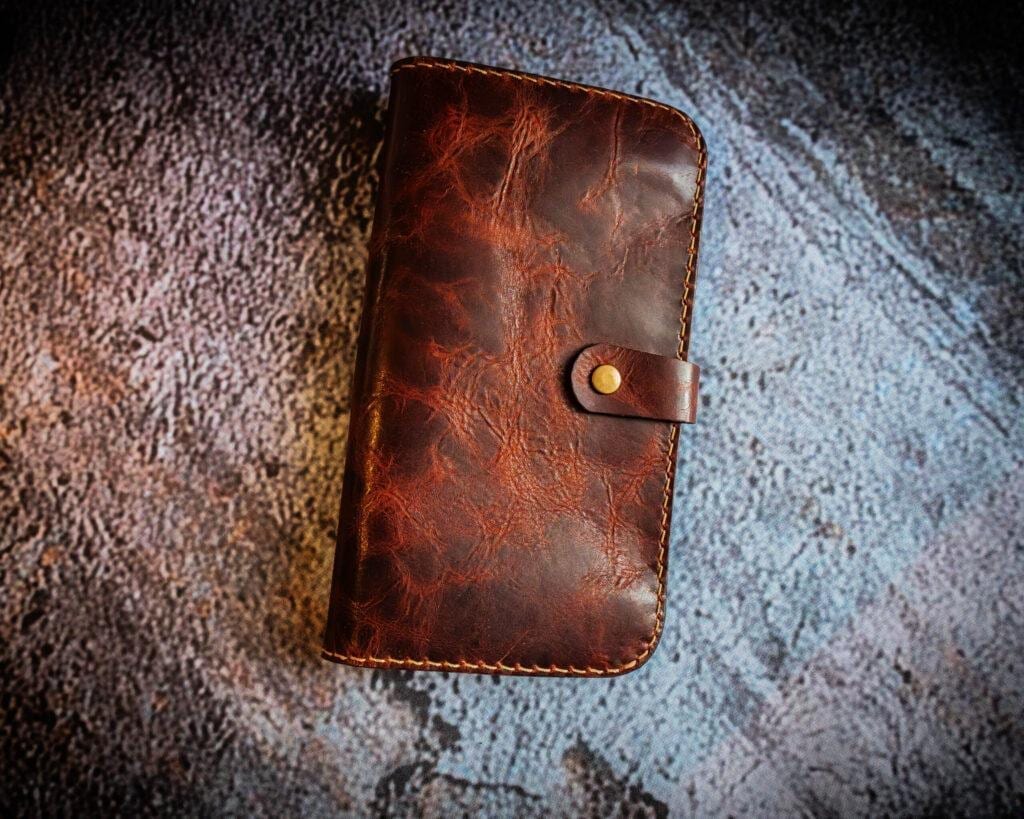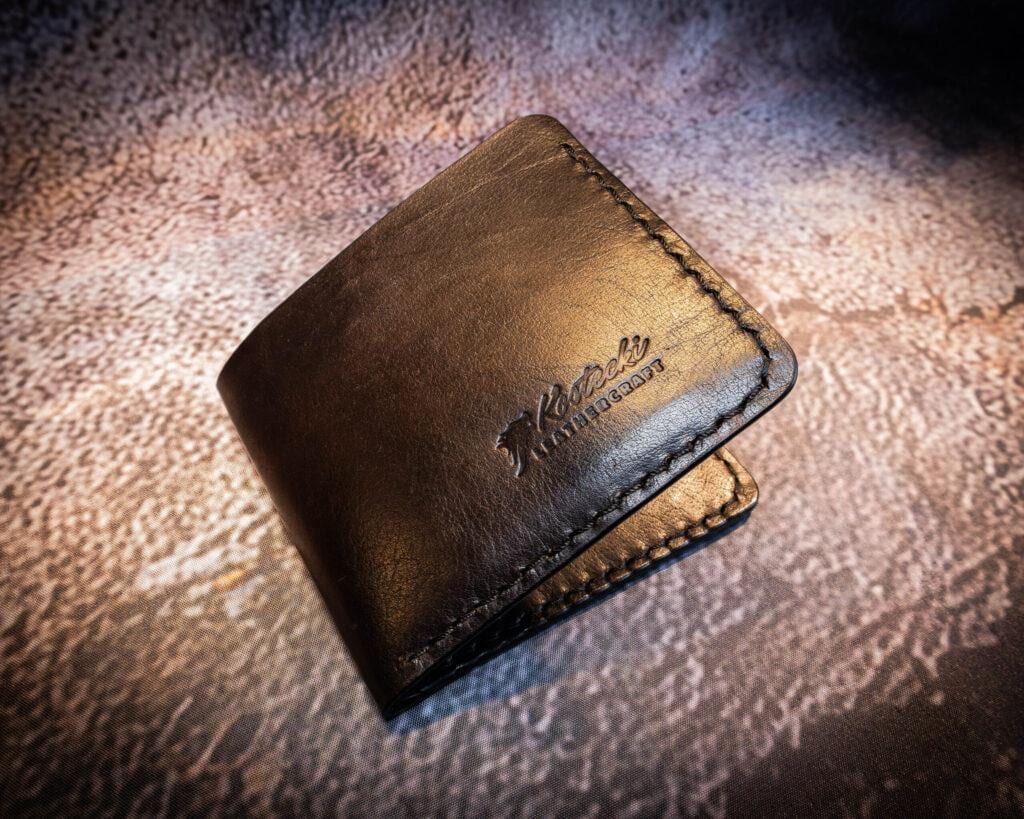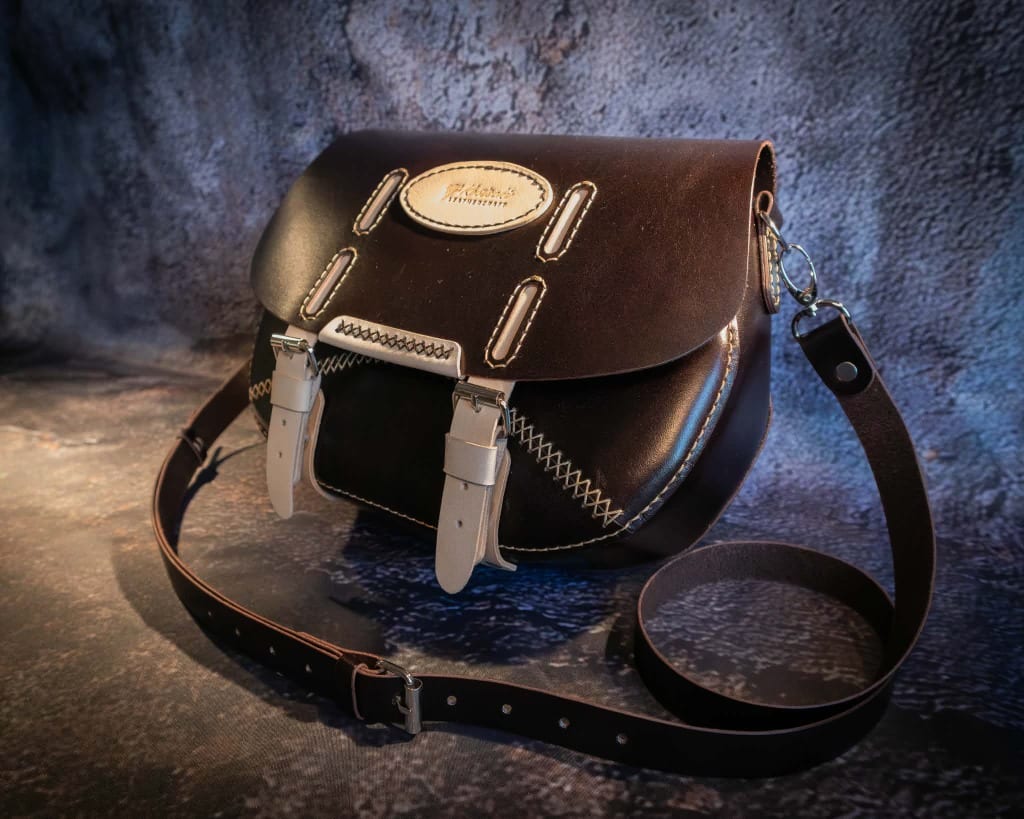
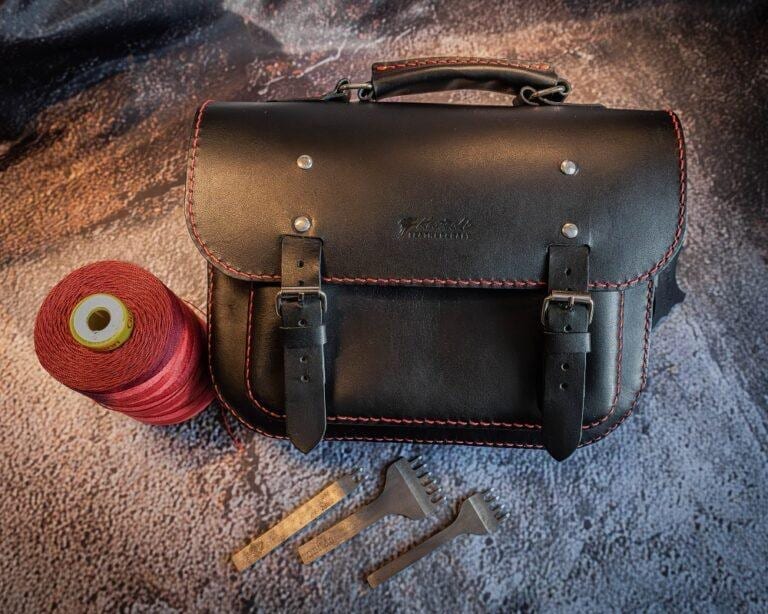
Machine sewing and saddle stitching only look similar from a distance. The profound difference lies in the thread path — and in what happens when one of those threads eventually wears through.
Two Needles, One Thread
In traditional saddle stitching, an awl pierces the hole and a needle is cast from each side. Both needles pass through the exact same hole in opposite directions, locking with every pull. This creates an interlocking double helix where every stitch is independent and self-securing.
A sewing machine works entirely differently: a top spool thread loops through a bottom bobbin thread. If the top thread is severed by abrasive friction, the entire seam can pull out in a continuous cascade.
What This Means in Daily Life
- Abrasion Resistance. In a saddle stitch, shearing one thread leaves neighboring stitches fully locked and secure. A machine stitch will unravel along the whole seam.
- Repairability. A severed saddle stitch can be anchored and restored locally without disassembling the entire product.
- Bilateral Beauty. The cast stitch produces a uniform angled slanted stitch on both the front and back faces of the leather, something single-needle machines can never match.
Why It Takes Time
Every meter of saddle stitch requires several hundred deliberate hand movements. Stitching a wallet takes hours; a large bag takes days. It is not an absence of machines, but a conscious craft choice: we stitch so that the item outlives our own tools.